




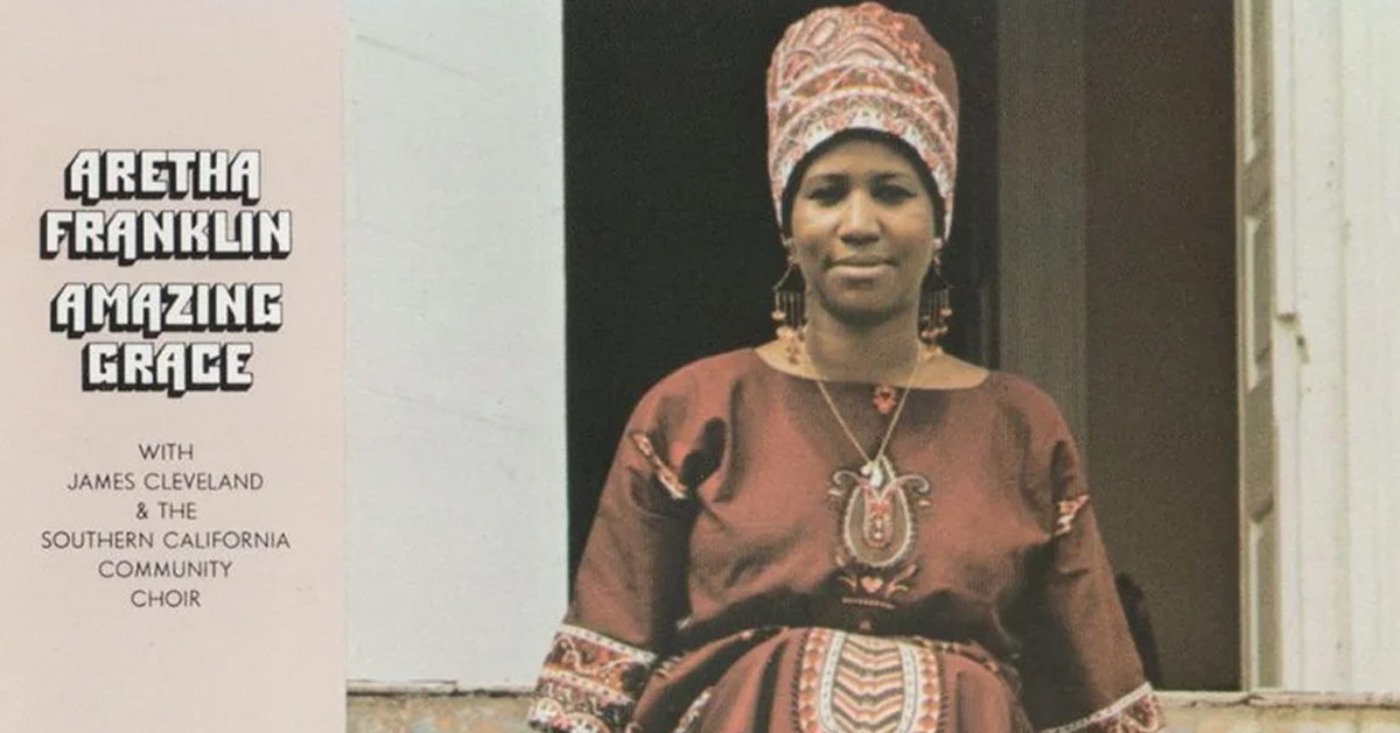
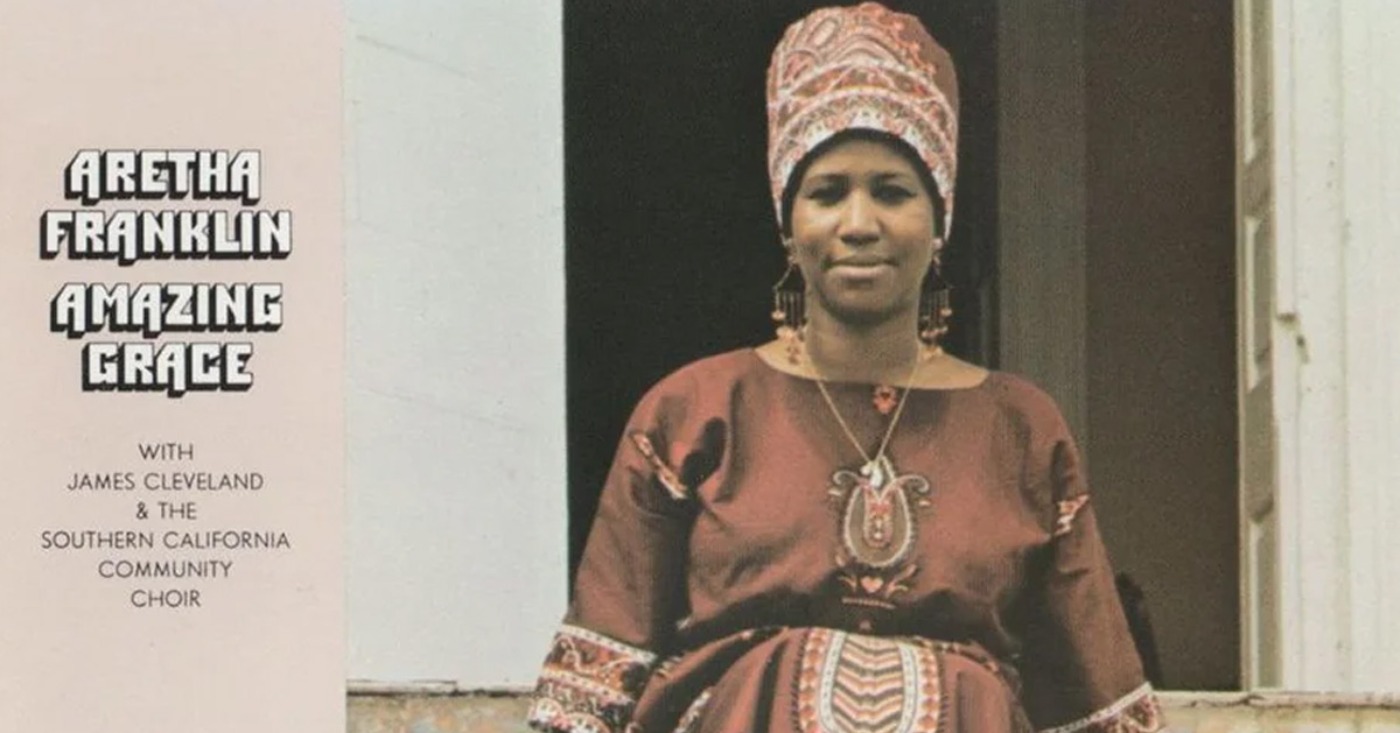
Aretha Franklin’s Amazing Grace remains one of the most extraordinary live recordings in American music history. Released in 1972, the album captured Franklin returning to her gospel roots and performing inside the New Temple Missionary Baptist Church in Los Angeles. The project brought together her extraordinary vocal talent, the spiritual foundation of her childhood, and the energy of a live congregation.
For Franklin, gospel music was never simply another musical style. It was deeply connected to her upbringing and family. Her father, Reverend C. L. Franklin, was a renowned Baptist minister, and the Franklin household was surrounded by some of the most important voices in gospel music. As a young girl, Aretha absorbed the emotional intensity, improvisation, call-and-response, and spiritual conviction that would eventually become hallmarks of her own legendary sound.
By the time Amazing Grace was recorded, Franklin was already an international superstar. She had transformed popular music with landmark recordings such as “Respect,” “Chain of Fools,” and “Think.” Yet rather than using the album to demonstrate her pop dominance, she chose to return to the church and create something deeply personal. The decision revealed another side of an artist who had spent much of her career moving between gospel, soul, R&B, pop, and other musical traditions.
The recording sessions took place over two nights in January 1972, with Franklin accompanied by the Reverend James Cleveland and the Southern California Community Choir. Cleveland, one of gospel music’s most influential figures, was an important presence in Franklin’s musical development. His collaboration with her helped create an atmosphere in which the performances felt less like a conventional recording session and more like an actual worship service.
The centerpiece of the album is Franklin’s interpretation of “Amazing Grace.” The hymn had been performed countless times before, but Franklin approached it with a combination of technical control and emotional vulnerability that made the performance unmistakably her own. Her voice rises and falls with the congregation, transforming the familiar words into a deeply personal testimony.
One of the most powerful elements of Amazing Grace is the relationship between Franklin and the choir. Gospel music thrives on interaction, and the album captures that dynamic beautifully. Franklin does not simply sing while the choir provides background vocals. The performers respond to one another, building intensity and creating the feeling of a shared spiritual experience. The congregation becomes part of the recording as well, applauding, responding, and participating in the music.
The album also demonstrates why Franklin was considered one of the greatest vocalists of her generation. Her voice could be commanding and thunderous one moment and intimate and fragile the next. She could stretch a phrase, alter a melody, improvise around a lyric, and turn a simple musical passage into an emotional climax. On Amazing Grace, those abilities are placed within a setting that allows her to explore them without the restrictions of a traditional studio recording.
Among the memorable performances is Franklin’s rendition of “Precious Lord, Take My Hand,” a song deeply associated with gospel tradition and African-American worship. Franklin approaches it with a reverence that makes the performance feel almost conversational. Her delivery illustrates how gospel music can communicate grief, hope, faith, and perseverance simultaneously, allowing a song to function as both music and testimony.
Another important dimension of Amazing Grace is its historical significance. The album arrived during a period of enormous social and cultural change in America. Black music was influencing the mainstream in unprecedented ways, while gospel traditions continued to provide spiritual and cultural grounding for African-American communities. Franklin’s decision to make such a prominent gospel album demonstrated that her connection to the church remained central even after she had become one of popular music’s biggest stars.
The album became a major commercial success, reaching No. 1 on the Billboard 200 and becoming one of the best-selling gospel albums of all time. Its success demonstrated that audiences were willing to embrace Franklin not only as the Queen of Soul but also as a deeply rooted gospel artist. The recording helped reinforce the connection between gospel, soul, R&B, and popular music and showed how much contemporary music owed to the church.
The legacy of Amazing Grace has continued long after its original release. In 2018, the documentary Amazing Grace finally brought the long-awaited concert film to audiences after decades of production challenges. The footage offered viewers an intimate visual record of Franklin at work, surrounded by musicians, singers, family, and worshippers. It provided another opportunity for new generations to understand the extraordinary power of the performances captured on the album.
More than five decades later, Amazing Grace still stands as an essential document of Aretha Franklin’s artistry. It captures a superstar stepping away from the expectations of fame and returning to the musical language that helped form her identity. The album is simultaneously a gospel recording, a portrait of a remarkable singer, and a celebration of faith and community. Above all, it reminds listeners that before Aretha Franklin became the Queen of Soul, she was a daughter of the church—and on Amazing Grace, she allowed the world to hear just how powerful that foundation truly was.
Based on reporting by The Positive Community.
The post Aretha’s Gospel Voice Still Resonates appeared first on BlackPressUSA.