



Stephen A. Smith rarely struggles for words. One of the most recognizable voices in sports media, he has built a career on passionate opinions and unfiltered commentary. But when ESPN parted ways with Ryan Clark, Smith’s reaction was strikingly simple.
“It hurts. It really does,” Smith said.
Smith called Clark “arguably the best NFL analyst in America“ and said he opposed ESPN’s decision. At the same time, he acknowledged that layoffs have become an unavoidable reality across the television industry.
“The bosses know I’m not happy about this decision,” Smith said. “But it’s also important that myself and anybody else in the world of business be grown-ups and understand that these are the kind of things that happen when layoffs happen.”
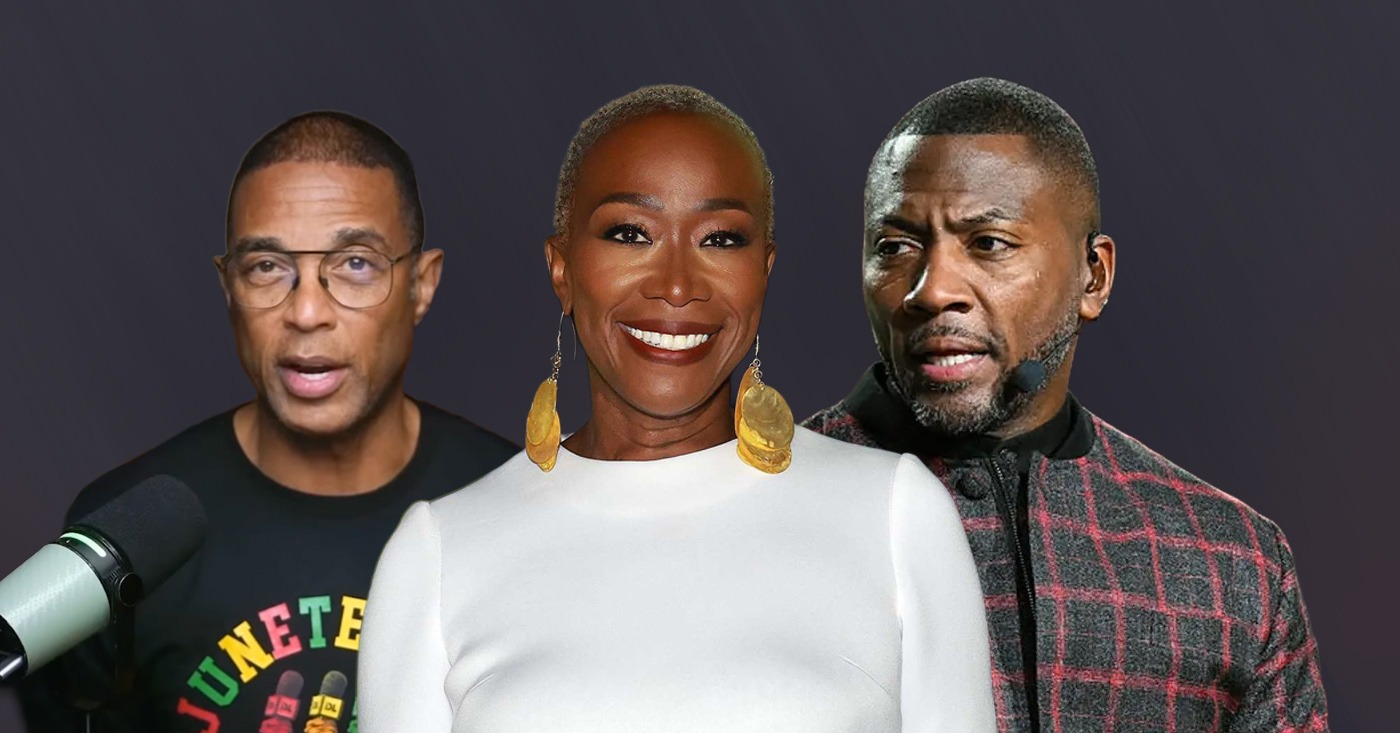
Clark’s departure followed the exits of several nationally recognized Black media personalities, including Joy Reid at MSNBC and Don Lemon at CNN. It also came after Clark publicly reflected on his years at ESPN, saying there were times he felt he “couldn’t be too Black.” While each departure occurred under different circumstances, together they have renewed questions about the future of Black representation in mainstream media and whether the industry’s changing landscape is reducing the number of Black voices on the nation’s most influential platforms.
Networks have cited restructuring, layoffs or, in some cases, declined to publicly explain personnel decisions. Some journalists have pointed to workplace culture, while others argue the changes reflect broader economic forces reshaping the media business.
Dr. Al Reynolds, a communications professor who studies both media and business, said the conversation cannot begin with race alone. Before examining who is leaving mainstream media, he said, it is necessary to understand the economic forces transforming the industry itself.
“From the business side, there are three things they can’t argue,” Reynolds said. “One is the economic contraction of traditional television. People aren’t going to their traditional sources to be entertained anymore.”
Audiences have increasingly shifted away from traditional broadcast and cable television to streaming and digital platforms such as Netflix, Paramount+, BET+, YouTube and TikTok, Reynolds said. As viewers have migrated, advertisers have followed, reducing the revenue that once supported large television news operations.
“Because of the economic contraction, you have corporate consolidation and cost-cutting,” Reynolds said. “If your viewers aren’t there, your advertisers aren’t there. If your advertisers aren’t there, then you can’t pay your talent to be on those platforms anymore.”
Those financial realities help explain why media companies are making difficult personnel decisions, Reynolds said. But they do not fully explain why those departures matter.
“It doesn’t matter whether they fired [Clark] or whether they laid him off,” Reynolds said. “The effects of it are the same.”
As prominent Black personalities disappear from major platforms, Reynolds said the consequences extend far beyond the careers of individual journalists.
“When there are fewer prominent Black personalities with authority, as well as the resources, to be on these large platforms that have natural distribution to shape the mainstream conversation, then you have less of a voice in those spaces,” he said.
Award-winning entertainment journalist Keith L. Underwood agreed that economics is reshaping the media industry. But he said an equally important transformation is taking place among audiences themselves. Rather than relying on a handful of nationally recognized journalists and civil rights leaders, Black Americans now consume information across countless digital platforms, creating a media landscape that is more fragmented—and, in many ways, more difficult for any single voice to influence.
“I think the landscape is changing,” Underwood said. “People have so many different ways of getting their news, whether it be television, radio, social media, or word of mouth.”
“It’s not like it used to be when you had civil rights leaders who were the generalized voice of the people,” he said. “That’s gone.”
Underwood said that fragmentation has increasingly given way to celebrity-driven news and viral culture.
“It’s become more focused on the gossip,” Underwood said. “Celebrity scandal has become our news because those same voices are not there.”
At the same time, Underwood said major media organizations continue to influence which stories and perspectives reach the broadest audiences.
“If you’re dealing with mainstream outlets, then you also have to take into consideration what they’re allowing you to say,” he said, pointing to former MSNBC host Tiffany Cross as an example of someone who believed she would have greater editorial latitude than she ultimately experienced.
When asked specifically about Clark’s remarks that he often felt he “couldn’t be too Black” while working at ESPN, Underwood declined to speculate about Clark’s personal experience.
“I can’t speak to his specific situation because that’s his truth,” Underwood said.
Still, Underwood said professionalism and authenticity are not mutually exclusive. He pointed to former NFL star and television host Michael Strahan as someone who has successfully navigated mainstream media without losing his identity.
“I don’t think Michael Strahan has become less Black,” Underwood said. “He’s still Michael Strahan. He’s just learned how to communicate in different spaces.”
Underwood said the larger challenge is preserving authenticity while working within institutions that often shape how stories are told and who gets to tell them.
The picture, however, is more nuanced than a simple decline in Black representation. Fox News continues to feature prominent Black anchors, including Harris Faulkner and Lawrence Jones, both of whom have built long careers on one of cable television’s highest-rated news networks. Their continued prominence suggests the conversation is not simply about whether Black journalists remain on television, but how newsroom decisions, audience demand and editorial culture shape which voices endure and influence the national conversation.
For Underwood, however, the future of Black journalism may depend less on the decisions made inside corporate boardrooms than on the willingness of Black journalists and entrepreneurs to build platforms of their own.
“I think that too often Black folks are reactionary as opposed to being proactive,” Underwood said, arguing that the community should invest more aggressively in creating and supporting independent Black-owned media rather than waiting for opportunities from legacy institutions.
He pointed to YouTube, podcasts, streaming services and emerging artificial intelligence tools as technologies making it easier than ever for journalists to reach audiences without relying on traditional gatekeepers.
“If you create your own platform and you’re speaking truth to the news, you can be your authentic self,” Underwood said.
Looking ahead, Underwood believes the next generation of influential Black journalists will be defined not only by where they work, but by the platforms they own.
“Black folks need to start embracing these tools that are available to us in order to have a voice, in order to share our creativity and in order to benefit and enrich our communities,” he said.
As legacy media continues to evolve, the debate sparked by Ryan Clark’s departure suggests the future of Black journalism may depend not only on who is hired by major networks but also on who builds the next generation of platforms.
The post OP-ED: One by One: The Slow Disappearance of Black Voices in Mainstream Media appeared first on BlackPressUSA.