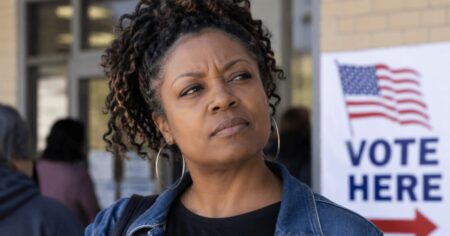




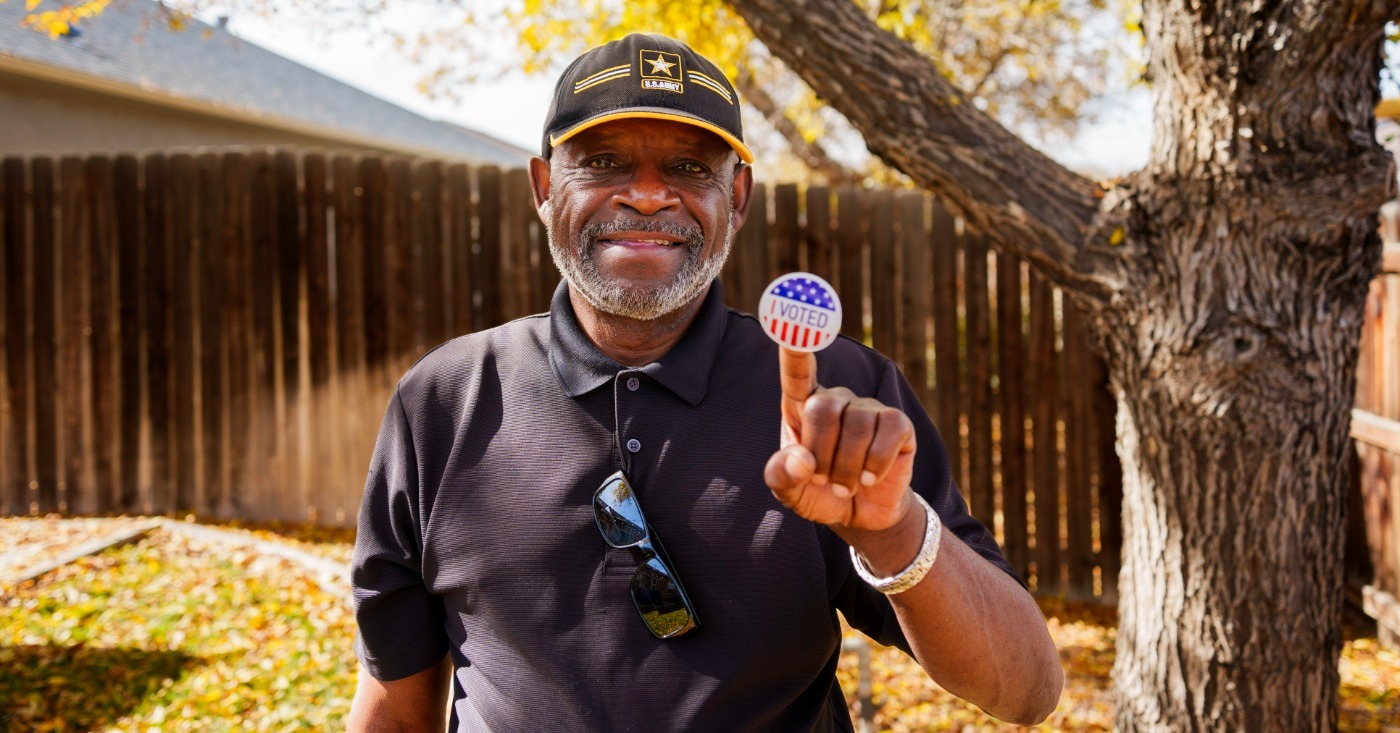
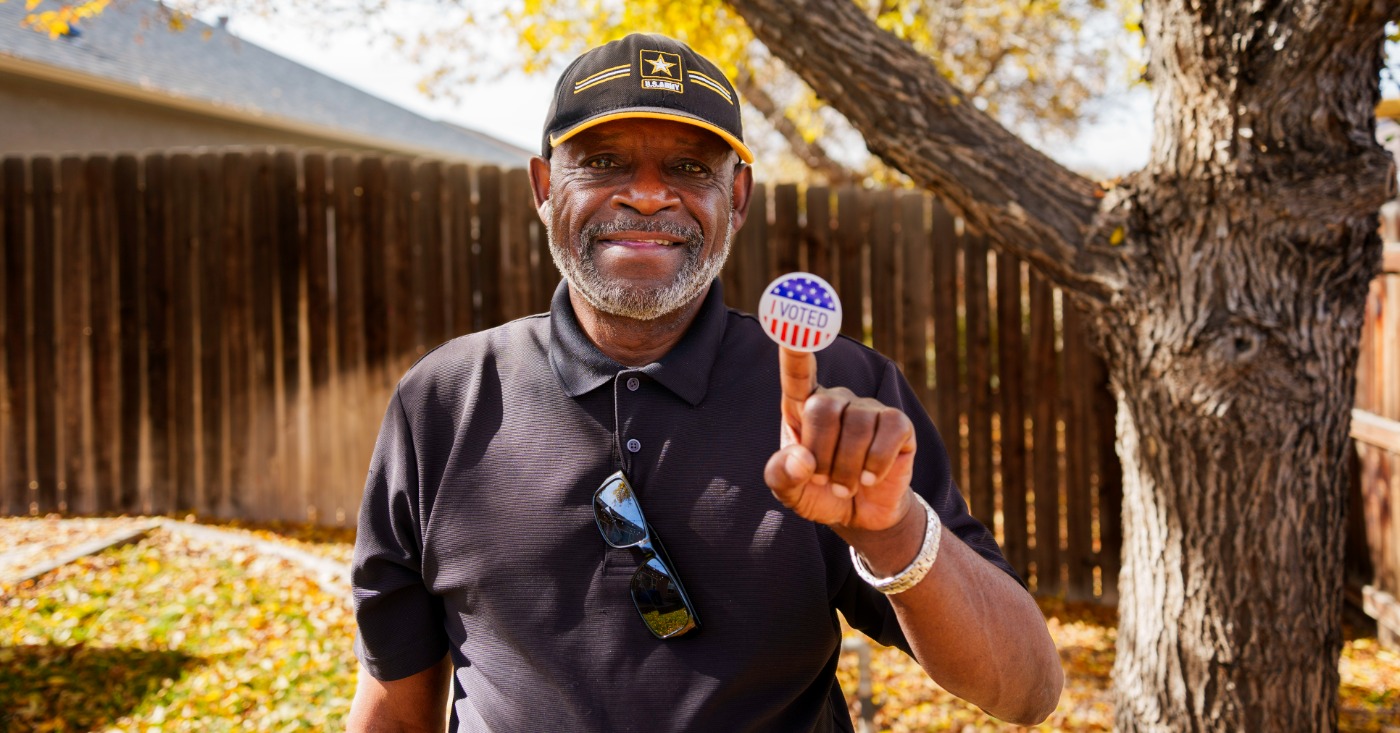
The Democratic Party’s decision to elevate South Carolina as the first 2028 presidential primary provides Black voters with an historic opportunity.
Black voters will play a leading role in determining which presidential candidates gain momentum and which campaigns collapse before most Democrats even have a chance to vote in the primary.
Candidates seeking the 2028 nomination will now have to organize in Black communities early. They will need relationships with local leaders, churches, civic organizations, historically Black colleges and universities, small businesses and rural communities.
Their records will be scrutinized on voting rights, health disparities, education, economic mobility, criminal justice and the survival of Black institutions.
Black voters will vote based on which candidate speaks directly to their concerns, rather than on a political calculation about who is most electable after Iowa and New Hampshire have already picked over the candidates.
With South Carolina, Democrats are now moving the nominating calendar closer to Black voters who are actually the party’s center of gravity.
This decision reflects nearly two decades of election results showing Southern Black voters have been central to selecting Democratic presidential nominees despite being placed later in the nominating process.
Barack Obama’s 2008 Iowa caucus victory established that a Black candidate could win in a predominantly white state. But Black South Carolinians solidified the coalition that actually carried Obama to the nomination and ultimately the presidency.
More than 530,000 votes were cast in the state’s Democratic primary. Obama received approximately 295,000 votes, or 55 percent, compared with about 141,000 votes, or 27 percent, for Hillary Clinton. John Edwards, a former senator from neighboring North Carolina, finished a distant third.
The delegate result was nearly as decisive. Obama won 25 of South Carolina’s pledged delegates, Clinton won 12, and Edwards won eight. In other words, Obama left South Carolina with more delegates than his two leading opponents combined.
Exit polling explains how he did it. Black voters constituted roughly 55 percent of the primary electorate, and nearly eight in 10 supported Obama. He also won Black voters across age, income and educational groups, demonstrating that his appeal extended far beyond younger or more affluent African Americans.
Eight years later, Black voters in South Carolina delivered an even more lopsided result for Clinton.
In the 2016 primary, Clinton won approximately 272,000 votes, or 73.5 percent, while Bernie Sanders received about 96,000 votes, or 26 percent. Clinton won 39 pledged delegates to Sanders’s 14, giving her almost three-fourths of the state’s available pledged delegates.
Black voters accounted for roughly six in 10 participants in that primary. Exit polls found that Clinton won close to nine in 10 of them. Sanders performed substantially better among white voters and younger voters, but those advantages could not overcome Clinton’s strength with the state’s much larger Black electorate.
By the end of the primary season, Clinton had secured more than 1,800 pledged delegates even before automatic delegates were included in the count. Like Obama, Clinton’s coalition was built through commanding victories among Black voters in the South.
Joe Biden arrived in South Carolina in 2020 with a campaign on the brink of failure. He had finished fourth in Iowa, fifth in New Hampshire and second in Nevada. Before South Carolina, Biden had won only 15 pledged delegates across the first three contests.
Then Black voters changed the race.
Biden won all 46 counties and captured 39 of South Carolina’s 54 pledged delegates. Exit polls found that Black voters made up a majority of the electorate and supported Biden over Sanders by approximately 4-to-1.
A Biden campaign that had appeared close to collapse after New Hampshire had become the nomination frontrunner in less than two weeks.
From 2008 to 2020, Black voters were the constituency that crowned the eventual nominee. Only in Iowa with Obama did Black voters validate the choice of a white electorate that voted before them.
Each time afterward, Black voters changed course entirely and chose who they wanted as the Democratic nominee, selecting Clinton and Biden despite their early struggles.
But Democrats cannot confuse primary influence with general-election security in 2028. An earlier voice in the nomination process does not guarantee Black support in November. Democrats must still earn it, particularly among younger voters and Black men.
South Carolina provides an opportunity to hone in on what’s broken and fix it before the General Election.
Still South Carolina is not a perfect representation of the Democratic coalition. The state has a relatively small Latino population, limited union density and few recent examples of Democratic success in statewide general elections. Nevada and other states can reasonably argue that they test different and equally important parts of the party.
But the traditional calendar wasn’t representative either.
Iowa and New Hampshire gave disproportionate power to electorates that were overwhelmingly white and rural. Candidates could spend a year discussing the concerns of those voters, survive through the opening contests and engage seriously with Black communities only after the field had already narrowed.
Putting South Carolina first reverses that sequence. South Carolina is a recognition that Black Democrats have more than earned our say.
Kevin Harris is a Democratic strategist who has advised more than 100 campaigns and ballot measures, including the past five presidential elections. He served in the Obama administration as a Cabinet member for two big-city mayors and as executive director of the Congressional Black Caucus.
The post South Carolina puts Black voters in the driver seat for 2028 appeared first on Atlanta Tribune.
Based on reporting by Atlanta Tribune the Magazine.
The post South Carolina Puts Black Voters in the Driver Seat for 2028 appeared first on BlackPressUSA.