


For nearly two decades, I have fought to change the way our society sees neurodivergent people.
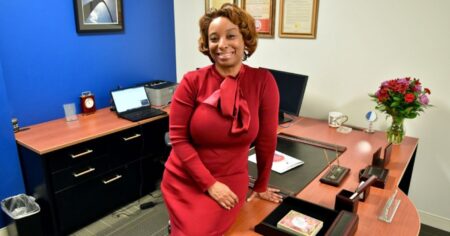
As a civil rights attorney, founder of Special Needs Network, business owner, and mother of a son on the autism spectrum, I have spent my career challenging assumptions about what neurodivergent people cannot do. Too often, the conversation begins with deficits and ends with accommodations. I have always believed we should begin somewhere else— with talent, potential, and opportunity.
This summer, I watched that belief come to life.
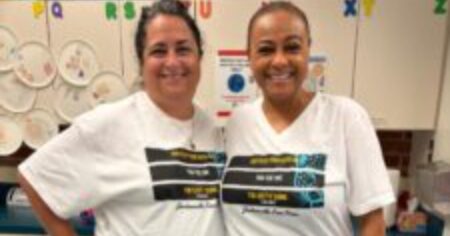
While millions of people around the world focused on the FIFA World Cup, another story was unfolding across Los Angeles. Through our LA Inclusive partnership with LA Metro, neurodivergent young adults staffed World Cup fan activations throughout the city. They welcomed visitors, prepared meals, managed inventory, served customers, solved problems, and represented Los Angeles through our Special Flavors food truck and Sip & Scoop mobile café.
These were not training exercises or sheltered programs. They were real jobs serving real customers during one of the world’s largest sporting events.
As I moved from station to station, I watched young adults remain calm under pressure, adapt when challenges arose, work seamlessly as a team, and take genuine pride in representing their city. They weren’t asking for an opportunity to prove themselves—they were proving themselves.
Unfortunately, what I witnessed in Los Angeles is the exception. For most neurodivergent adults, the story looks very different. It made me think about comments Alex Karp, the CEO of Palantir, made earlier this year. Karp, who has spoken publicly about being neurodivergent, said neurodivergent people will disproportionately shape America’s future. His remarks resonated because they reflected what families like mine have known for years.
I don’t agree with Alex Karp on many issues. As a civil rights lawyer, I have serious concerns about aspects of Palantir’s work and broader questions involving privacy, surveillance, and the responsible use of powerful technologies. Those concerns deserve
thoughtful public debate. But disagreement should never prevent us from recognizing a good idea when we hear one.
On this point, I believe Karp is right. The technology sector is beginning to recognize what many families, educators, and disability advocates have understood for decades: neurodivergent minds represent one of America’s greatest untapped competitive advantages. The problem is that recognition has not yet translated into opportunity.
Depending on the study, unemployment among autistic adults ranges from roughly 40 percent to as high as 85 percent, with many others working far below their abilities. Black autistic adults often face even greater barriers to employment while receiving far less attention from researchers and policymakers. Those numbers should concern anyone who cares about economic growth, workforce development, or America’s ability to compete.
Employers across the country say they cannot find enough dependable, skilled workers. At the same time, hundreds of thousands of neurodivergent adults remain excluded from meaningful careers—not because they lack talent, but because too few employers are willing to rethink how they recruit, train, and support employees.
What I witnessed during the World Cup wasn’t charity or a public relations exercise. It was professionalism, accountability, teamwork, adaptability, and exceptional customer service. It was a group of young adults rising to high expectations because someone finally gave them the opportunity to meet them.
That is the vision behind LA Inclusive, our workforce initiative connecting neurodivergent adults with careers in technology, hospitality, logistics, transportation, customer experience, public service, and other industries shaping Southern California’s future. The FIFA World Cup has given us an extraordinary opportunity to demonstrate what is possible. The 2027 Super Bowl and the 2028 Olympic and Paralympic Games give us the chance to prove this model at an even greater scale.
So let me end with an invitation. Alex Karp, we may continue to disagree on important issues involving civil rights, privacy, and the role of powerful technology companies in our society. Those conversations matter, and they should continue. But they do not prevent us from recognizing that we share a belief in the extraordinary potential of neurodivergent people.
If you believe, as you have said, that neurodivergent minds will help shape America’s future, then let’s help build that future together.
I invite you to visit Los Angeles. Meet the young adults working through LA Inclusive. Spend time with the families who have spent years fighting not for sympathy, but for opportunity. See what happens when talent is matched with high expectations and meaningful work.
And my invitation extends well beyond Palantir. To every technology company investing billions to shape the future of work: invest in the people who will help build it. Partner with organizations that have already developed successful workforce models. Create hiring pipelines, apprenticeships, and career pathways that recognize ability instead of assumptions.
I’ve spent my career fighting for neurodivergent people to be seen clearly and for their talents to be recognized before their limitations. The young adults I watched this summer don’t need that fight anymore. They’ve already won it. What they need now are employers with the vision to recognize what I saw, and the commitment to act on it.
Areva Martin is a civil rights attorney, founder and president of Special Needs Network, Inc., a regular legal and political commentator on national television, and the author of The Everyday Advocate. She is the mother of a son on the autism spectrum.
The post OP-ED: The AI Industry Is Overlooking Its Greatest Untapped Workforce appeared first on BlackPressUSA.