


Close Menu
  • Home
  • News
    • Local
  • Opinion
  • Business
  • Health
  • Education
  • Sports
  • Podcast

Subscribe to Updates

Get the latest creative news from FooBar about art, design and business.

What's Hot

Nurture, Inc., Negro Southern League Museum Look to Preserve History While Healing the Community

IN MEMORIAM: The Tennessee Tribune Family Mourns the Passing of its Founder, Publisher and Chief Executive Officer, Rosetta Miller-Perry

COMMENTARY: From Chains to Change — Frederick Douglass’ Question Still Echoes Across America’s 250-Year Journey

Facebook X (Twitter) Instagram
  • Lifestyle
  • Podcast
  • Contact Us
Facebook X (Twitter) Instagram Pinterest Vimeo
The Windy City Word
  • Home
  • News
    1. Local
    2. View All

    Uncle Remus Says Similar Restaurant Name Is Diluting Its Brand and Misleading Customers

    Youth curfew vote stalled in Chicago City Council’s public safety committee

    Organizers, CBA Coalition pushback on proposed luxury hotel near Obama Presidential Center

    New petition calls for state oversight and new leadership at Roseland Community Hospital

    Nurture, Inc., Negro Southern League Museum Look to Preserve History While Healing the Community

    OP:ED How Black WNBA Players Became Collateral in the Caitlin Clark Culture War

    Birmingham Launches In-Person Community Service Hub, Dynamic Website to Connect Residents to Essential Services

    U.S. Men’s National Team Names its Roster for World Cup 2026

  • Opinion

    Rep Davis, Olive Post CDR., Call on Trump to Restore file of Black Vietnam War Hero to Website

    Capitalize on Slower Car Dealership Sales in 2025

    The High Cost Of Wealth Worship

    What Every Black Child Needs in the World

    Changing the Game: Westside Mom Shares Bally’s Job Experience with Son

  • Business

    Illinois Department of Innovation & Technology supplier diversity office to host procurement webinar for vendors

    Crusader Publisher host Ukrainian Tech Businessmen eyeing Gary investment

    Sims applauds $220,000 in local Back to Business grants

    New Hire360 partnership to support diversity in local trades

    Taking your small business to the next level

  • Health

    Birmingham Launches In-Person Community Service Hub, Dynamic Website to Connect Residents to Essential Services

    COMMENTARY: Mental Health Crisis Among Black Men — A Growing Concern

    Chicago ‘Fibroid Slayer’ Makes History with Biggest Case of His Career

    Assemblymember Mike Gipson: Tragic Compton Shootings Drive Home Need for Stronger Gun Control Legislation

    Oakland Children’s Hospital Workers and Patients Rally for Pediatric Medical Care

  • Education

    COMMENTARY: From Chains to Change — Frederick Douglass’ Question Still Echoes Across America’s 250-Year Journey

    Chris Robinson Is Turning Cultural Memory into Public Art

    Africa University Gets First AME Member on Development Board

    National Museum of African American History and Culture Opens Two Exhibitions Exploring the Power of Abstraction Across Art and Design

    OPINION: Board VP Valarie Bachelor Says OUSD Is Moving Ahead Under Committed Leadership

  • Sports

    Nurture, Inc., Negro Southern League Museum Look to Preserve History While Healing the Community

    OP:ED How Black WNBA Players Became Collateral in the Caitlin Clark Culture War

    U.S. Men’s National Team Names its Roster for World Cup 2026

    Top 10 moments of the 2026 FIFA World Cup

    U.S. Soccer to Expand ‘Soccer at Schools’ Programming Across OUSD

  • Podcast
The Windy City Word
Featured

School Health Centers Evolve to Meet Students’ Social Needs

staffBy staffUpdated:No Comments5 Mins Read
Facebook Twitter Pinterest Telegram LinkedIn Tumblr Email Reddit
Share
Facebook Twitter LinkedIn Pinterest WhatsApp Email

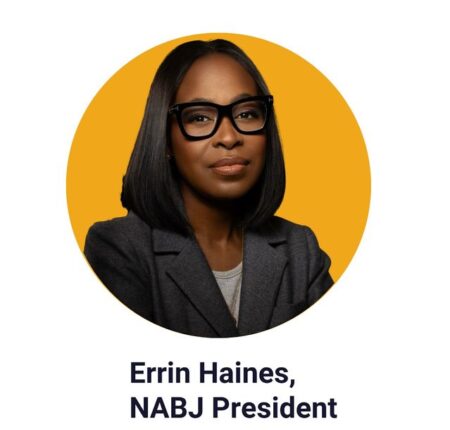
Ashley Randall returned to her alma mater, Jennings High School, as a social work caseworker who connects students with mental health support, housing resources and other services that help them stay in school and succeed.

Ashley Randall remembers being cheer captain, homecoming queen and prom queen at Jennings High School.

She also remembers homecoming parades rolling down Jennings Station Road and a school community that felt connected.

“There was more community,” Randall said.

Today, Randall is back at Jennings High. But now she is a social work caseworker inside The SPOT, the school’s health and wellness center, helping students navigate homelessness, suicidal thoughts, unstable housing, anxiety, family stress and isolation.

From Jennings to North St. Louis to University City, school leaders and health care providers are increasingly turning schools into hubs for health care, counseling, food assistance and other services once handled by separate institutions. What began as an effort to improve access to medical care has evolved into something larger: an attempt to help children overcome the barriers that prevent them from learning and thriving.

One recent student came to Randall in distress. The teenager had been moving among relatives and friends. She worried about food, housing and whether she was becoming a burden.

Randall listened.

She connected the student with food and hygiene supplies. She helped her think through housing and job-training options. She encouraged her to focus on what she could still control: getting to school, treating others well and staying engaged.

Weeks later, the student returned with good news.

Her housing situation had stabilized. She had been accepted into a training program. She had won recognition in band. Then she proudly showed Randall her report card.

Four A’s.

“That was emotional for me,” Randall said.

Then she offered a sentence that may explain the importance of school-based health care better than any statistic.

“They’re determined to live,” she said of the students she serves. “Despite everything that may be going on, they still choose to show up each day.”

The clinic where Randall works reflects a growing recognition that schools increasingly serve as front-line social infrastructure. They are still places of learning, but in communities facing poverty, trauma, violence, housing instability and health disparities, they have also become places where young people encounter mental-health support, medical care and trusted adults.

For the St. Louis region, the rise of school-based health care is not simply a medical story. It is also an education story and a post-Ferguson story.

Dr. Sarah Garwood, who helps lead The SPOT through partnerships involving Washington University and St. Louis Children’s Hospital, said the Jennings program began in 2014, around the time Michael Brown was killed in Ferguson.

“We kind of started in a very tense climate,” Garwood said.

Students were grappling with trauma, grief and national attention focused on their community.

The clinic now provides medical care, behavioral-health support and case management.

Garwood said many students arrive with needs that traditional health care often struggles to address.

Some have never received regular preventive care. Some have untreated dental or vision problems. Others are struggling with anxiety, depression or the effects of violence and trauma.

“I was somewhat surprised by the number of kids who had experienced community violence,” she said.

A school-based clinic removes barriers that often prevent young people from receiving help. Students do not need transportation. Parents do not need to miss work. Providers can follow up regularly.

Randall sees the impact every day.

Some students come seeking counseling. Others need deodorant, snacks or information about health services. Some simply need a safe place to sit quietly for a few minutes.

One student routinely spent lunch alone in the clinic to avoid the cafeteria. Randall worried that hiding from peers every day would only deepen the student’s isolation.

She encouraged the girl to take a chance and spend time with other students.

The girl resisted at first.

Later she returned and wrapped Randall in a hug.

“I made friends,” she said.

After graduating in 2010, Randall earned degrees in criminal justice and social work. She worked in juvenile justice, hospitals, schools and crisis intervention. Yet she always hoped to return to the community that helped shape her.

“You grow where you’re planted,” she said. “I wanted to come back to the community and let them know, you may be rooted here, but you can still grow and sprout and go to other places.”

Returning has also shown her how much the community has changed.

Yet she rejects any suggestion that Jennings students are broken.

She believes many are stronger than earlier generations in one important way.

When she was growing up, mental health struggles were rarely discussed openly. Students suffering from depression or suicidal thoughts often kept those feelings hidden.

Today’s students are more likely to ask for help.

“That takes strength,” Randall said. “They are courageous. They are determined to live.”

This story was commissioned by the River City Journalism Fund.

The post School health centers evolve to meet students’ social needs appeared first on St. Louis American.

Based on reporting by St. Louis American.


The post School Health Centers Evolve to Meet Students’ Social Needs appeared first on BlackPressUSA.

Share. Facebook Twitter Pinterest LinkedIn Reddit WhatsApp Telegram Email
Previous ArticleOrganizations That Fight for Black Rights to Know
Next Article Inside the Bench: Black Harris County Judges Drive Reform
staff

Related Posts

IN MEMORIAM: The Tennessee Tribune Family Mourns the Passing of its Founder, Publisher and Chief Executive Officer, Rosetta Miller-Perry

COMMENTARY: From Chains to Change — Frederick Douglass’ Question Still Echoes Across America’s 250-Year Journey

COMMENTARY: From Chains to Change — Frederick Douglass’ Question Still Echoes Across America’s 250-Year Journey

Leave A Reply Cancel Reply

Video of the Week
https://www.youtube.com/watch?v=AxFXtgzTu4U
Advertisement
Video of the Week
https://www.youtube.com/watch?v=OjfvYnUXHuI
ABOUT US


The Windy City Word is a weekly newspaper that projects a positive image of the community it serves. It reflects life on the Greater West Side as seen by the people who live and work here.

OUR PICKS

Conquer Any Terrain Unlock the Power of X-MODE! #shorts

Some of Chicago’s best hit the stage for the first time at the 2024 Pitchfork Music Festival

Exclusive – Washington Informer Publisher speaks to Congressman Al Green

MOST POPULAR

Birmingham Launches In-Person Community Service Hub, Dynamic Website to Connect Residents to Essential Services

COMMENTARY: Mental Health Crisis Among Black Men — A Growing Concern

Chicago ‘Fibroid Slayer’ Makes History with Biggest Case of His Career

© 2026 The Windy City Word. Site Designed by No Regret Medai.
  • Home
  • Lifestyle
  • Podcast
  • Contact Us

Type above and press Enter to search. Press Esc to cancel.