



A documentary produced by Joliet Junior College explores the complex racial history and contemporary social dynamics of Joliet, using its historic river bridges as a central metaphor for division and resilience.
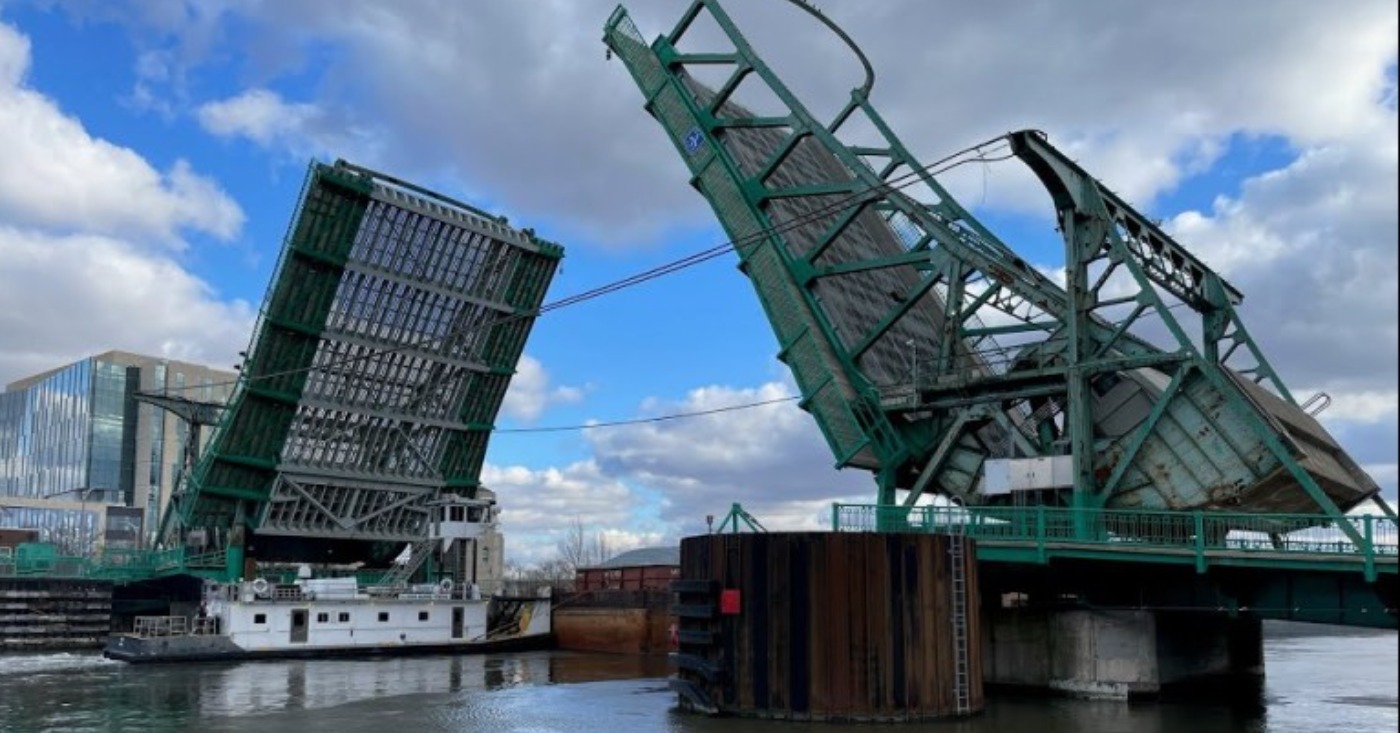
“The six bridges over the river in Joliet are historically significant. When Dr. Martin Luther King was assassinated, they raised all the bridges. That was to contain people in their neighborhoods. Especially to contain those who lived East of the river to keep them from going West, where the majority White people lived.”
Those were the frank words of long-time Joliet resident Denise Winfrey, one of the voices heard in the Joliet Junior College-produced documentary ‘Still Bridges’. The film centers on the influence of the series of lift Bridges that span the river running through the heart of the City of Joliet. Its unspoken influence also cuts through the heart and soul of a deeply divided community.
The bridges are Illinois’ “Second City’s” most prominent visual aspect. They are also a bitter reminder and a symbol of the racial divide that marred its past and which still casts a dark shadow over its present and future.
Through the words of a cross-section of Joliet residents, Black, White and Hispanic, the film lays bare the bitter struggles and harsh feelings engendered by the social and political injustices of a divided city.
The film is told entirely through the unvarnished oral histories of local stakeholders and long-time residents—including District 4 Will County Board member Denise Winfrey, whose family included the county’s first Black Board Member, Will County Executive Jennifer Bertino-Tarrant, a prominent member of Joliet’s Italian American community, Amy Sanchez, the Director of Operations for Joliet Unity Movement and a fourth generation Mexican American resident (I came with the woodwork!” She proudly proclaimed), Judge Vincent Cornelius, originally a native of Pine Bluff, Arkansas, where lynching and segregation were the order of the day, and Jaron Nabers Sr., a former convicted drug dealer who turned his life around and now mentors’ Black youth with his 2morrow Starts 2day foundation.
Through their stories, the documentary weaves a powerful multi-generational monologue, from sharing memories of ‘sundown laws’ that prevented Blacks from being in certain white parts of town after dark, to racial and gang violence, to outright segregation rules that determined where you could live and work; the film segues into current social dynamics and the tumultuous legal battles within the civil rights and criminal justice systems.
There are themes that demand further explication, but perhaps that is for another film. The currents that drive the present-day narrative extend far beyond Joliet’s bridges.
Moving through five symbolic phases: The Steel, The Divide, The Blueprint, The Construction, and The Bridge, the film refuses to look away from uncomfortable truths while mapping a blueprint for collective racial healing.
Still Bridges serves as an intimate love letter to local resilience and a universal mirror for a community looking to mend its own historical fractures.
There will be endless debates over the merits of the recounts in Still Bridges, but there is no question that the personal trauma of the film’s participants is a call to action by all thinking and feeling residents of Joliet. If nothing else, the film Still Bridges stirs the rivers of the soul.
The post JJC Film ‘Still Bridges’ Exposes Joliet’s Divided Past and Healing appeared first on The Times Weekly.
Based on reporting by The Times Weekly.
The post JJC Film ‘Still Bridges’ Exposes Joliet’s Divided Past and Healing appeared first on BlackPressUSA.