



By BlackPressUSA Newswire
By Ashleigh Fields, Special to the AFRO
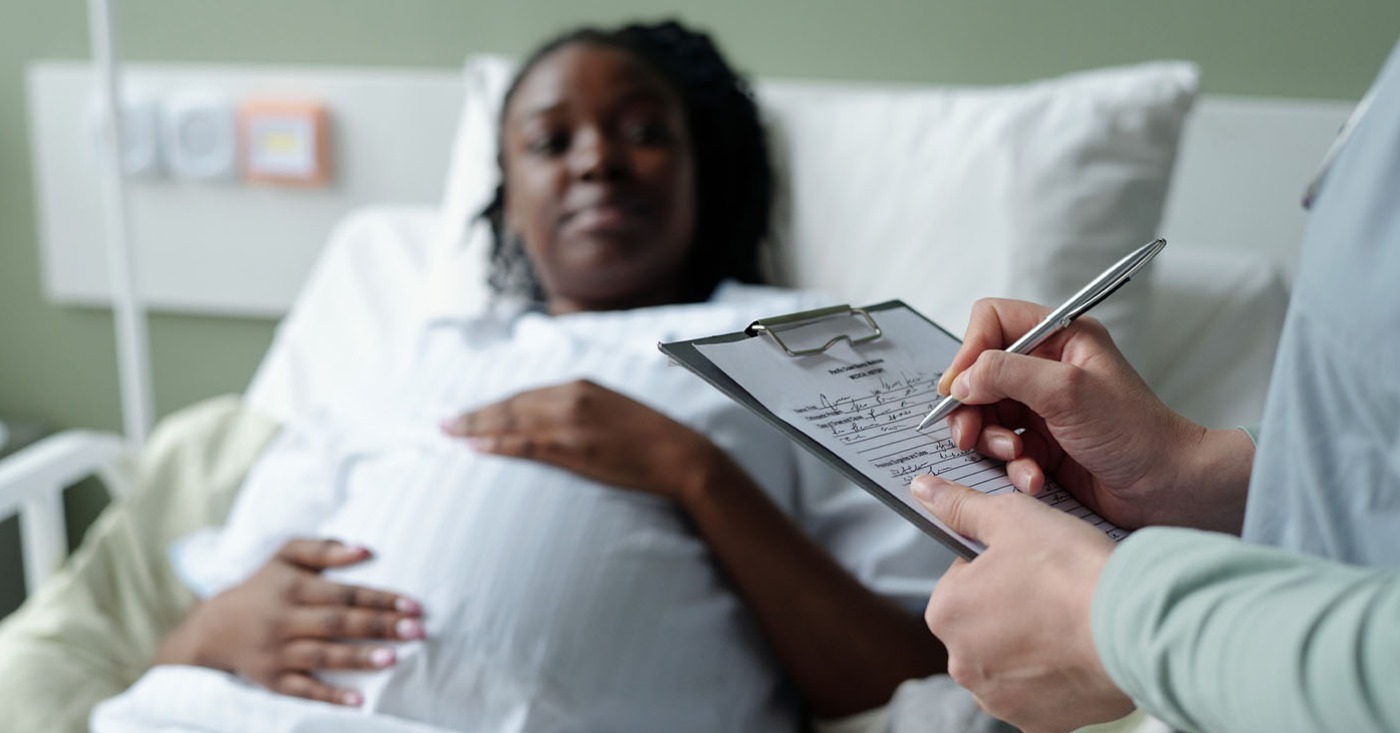
Black women in rural areas are facing the brunt of declining medical services, including access to obstetric care, as new policies threaten clinic and hospital closures.
Under the current White House administration’s summer spending package, federal reimbursement for services covered by Medicaid and the Affordable Care Act declined sharply, leaving rural healthcare providers to fend for themselves amid pressing patient concerns.
“The risks facing women in rural communities are due to hardship in receiving routine screenings and also access for treatment if conditions/diseases arise. Also, in rural areas there are few specialists,” Dr. Sonya Buchanan, a preventative medicine physician and Meharry Medical College graduate, told the AFRO.
“Most specialists practice in larger cities with larger populations. Commuting to and from for treatment of chronic illnesses or cancer may not be possible for a number of reasons, including financial, logistical, or missing time from work,” she added.
In response to the 47th president’s spending bill, Georgia Rep. Nikema Williams (D) introduced the Maternal Health Equity Under Medicaid Act to raise federal matching rates to 90 percent for Medicaid expenditures on maternal healthcare.
Nearly 1 in 5, or 20 percent, of rural adults and 40 percent of rural children rely on Medicaid or the Children’s Health Insurance Program. Amid cost concerns, rural Americans also face geographic challenges that threaten healthcare.
Most live an average of 10.5 miles from the nearest hospital, versus just 4.4 miles for their urban counterparts, according to the National Rural Health Association.
“Medicaid is the largest payer of maternity care in this country and must be part of the solution to the maternal health crisis. Too many people are still falling through the cracks in our healthcare system, especially Black mamas who continue to face a worsening maternal health crisis,” Williams said in a statement noting that 42 percent of births are financed by Medicaid.
Still, women who enroll in Medicaid in their third trimester have a 4.7 times higher likelihood of experiencing maternal mortality and a 1.5 times higher risk for infant mortality, according to her office.
“Raising the federal match for maternal care will give states the resources they need to expand care and save lives. As Republicans threaten devastating Medicaid cuts, this legislation is a clear statement: we must invest in care, not cruelty,” the Georgia lawmaker said.
As of 2022, more than two-thirds of rural hospitals in eight states were without obstetric services, according to a Health Affairs study. From 2010- 2022, 12 states also reported the loss of 25 percent or more obstetric services in rural hospitals.
“The mass closures of obstetric wings in rural hospitals have been a major issue for years now. In North Carolina, 40 percent of our counties have no maternity care facilities at all. The passage of the Big Beautiful Bill—I like to call it the Big Ugly Bill—will only make these issues so much worse. Labor and delivery units are often the first to get cut when hospital budgets get low,” Rep. Alma Adams (D-N.C.) told the AFRO.
“This bill made major cuts to Medicaid dollars, which hospitals rely on to stay afloat. It also created new restrictions making it more difficult to remain eligible for Medicaid,” she added.
The United States remains the only developed country with a rising maternal mortality rate, according to UNICEF, with deaths skewed towards women of color.
Black women are three to four times more likely to die from pregnancy-related complications and twice as likely to lose an infant to premature death. Women in rural communities are threatened the most.
All 50 states were granted access to the federal Rural Health Transformation Fund, which provides more than $100,000 to strengthen and modernize health care in rural communities nationwide.
“While it won’t fully alleviate the burden of these Medicaid cuts, our state will be using some of these dollars to keep rural hospitals in business and expand maternity care access in our state, focusing on non-medical barriers to care, too,” Rep. Adams said.
“Let’s be honest, though—this is a band-aid to our country’s Black maternal health crisis. We need comprehensive legislation to address it, like the Momnibus Act, which we’re reintroducing soon with Rep. Underwood and Sen. Booker. We need major action soon, because our country is reaching a boiling point, and our moms deserve better,” Adams continued.
The Momnibus Act is a package of 13 bills that address social determinants, mental health, workforce diversification, and data collection, with over $1 billion in proposed investments to address the maternal mortality crisis.
While lawmakers are addressing issues through policy, doulas have also been stepping in to bridge the gap by providing travel services to help mitigate the lack of care in rural communities.
“Historically, doulas were responsible for assisting those giving birth and midwives and were often among the few enslaved individuals who were allowed to travel due to the indispensability of their services. However, as births moved into hospitals, the non-clinical support system declined — removing an invaluable service for expectant mothers, particularly those within communities disproportionately affected by maternal mortality rates and limited access to medical care and birthing services,” according to Valerie Rochester, chief health equity officer at Creating Healthier Communities (CHC).
“Increasingly, research suggests that doulas are not only beneficial in better health outcomes, but also in reducing unnecessary medical procedures and, therefore, healthcare costs. A recent study of Medicaid beneficiaries found that women who received doula support had both lower cesarean and preterm birth rates,” she added.
Jacque Souza, a self-employed doula, said families in areas without access to immediate healthcare or concerns about their care inside hospitals have benefitted from at-home services doulas provide.
“A birth doula holds space so birth can unfold with dignity. She does not replace medical care but helps mothers make the best decisions when bringing a baby into the world,” Souza told the AFRO.
Doulas also provide extensive treatment after babies are born.
“A postpartum doula also has an important, though often less visible, role. She helps families navigate the unique and delicate postpartum period. Those days when nights are long and the days feel endless. A postpartum doula guides and cares for new mothers during this profound transition,” Souza said.
The post Black Women in Rural Areas Grapple with Stark Decline in Obstetric Care appeared first on BlackPressUSA.