




By Cristal Dyer
Hormonal changes shape women’s health at every life stage, driving shifts in mood, metabolism, bone density, and cardiovascular function. These fluctuations, primarily in estrogen and progesterone, extend well beyond the hot flashes most commonly associated with menopause. Understanding the full scope puts women in a stronger position to advocate for their own health.
According to the Office on Women’s Health, more than 90% of women experience symptoms tied to hormonal fluctuations during their menstrual cycle alone. A woman’s hormones influence nearly every biological system in her body. This article walks through what’s actually happening at each life stage and what it means for your health long term.
How Do Hormonal Changes During Puberty Shape a Young Woman’s Health?
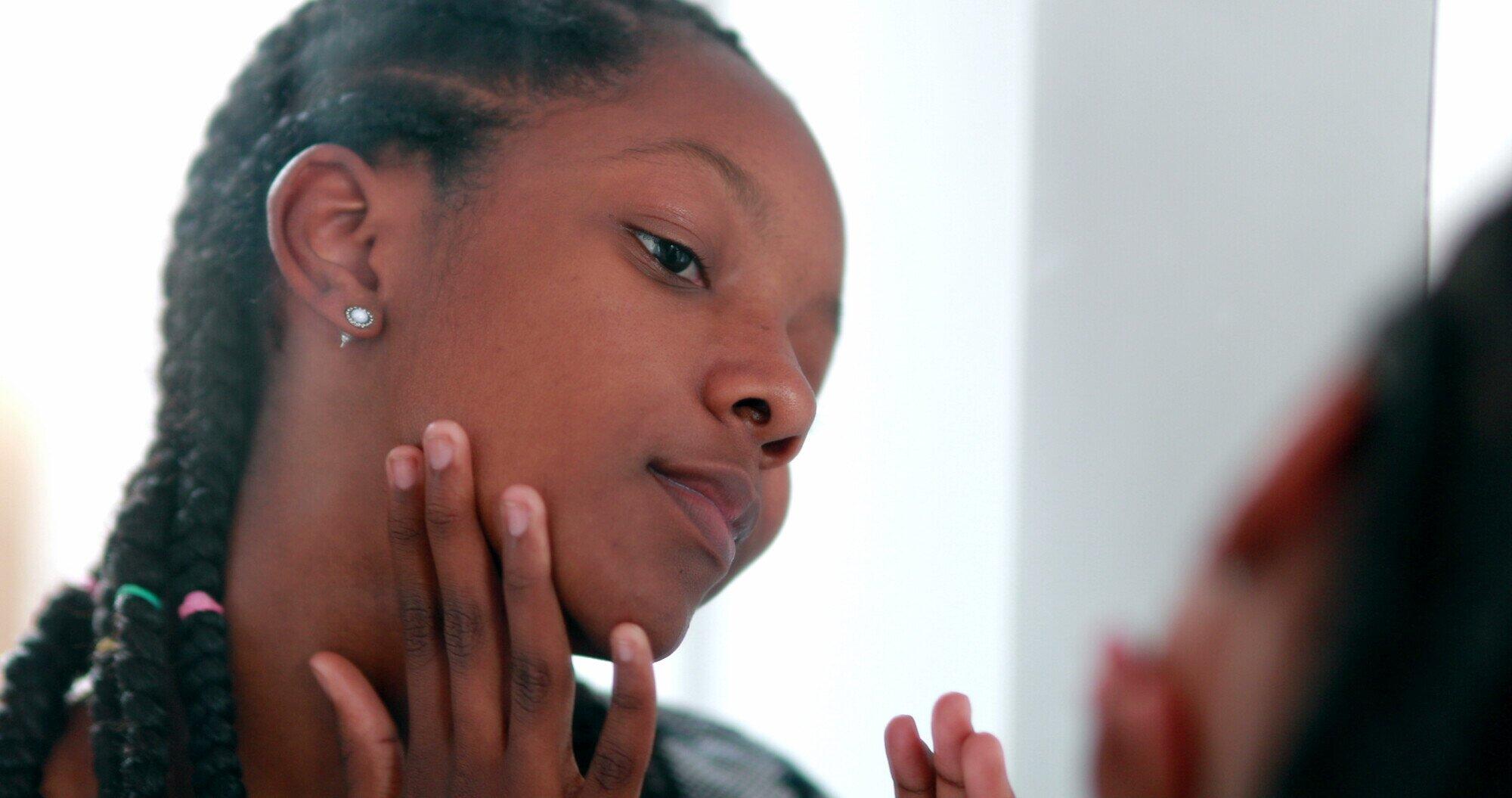
Puberty marks the start of major hormonal activity in a girl’s body, typically kicking off between the ages of nine and 15. Rising estrogen and progesterone trigger physical changes like breast development, body hair growth, and the start of menstruation.
The hormonal changes symptoms that appear at this stage often show up emotionally, too. Many girls experience mood swings, increased anxiety, and heightened sensitivity as their bodies adjust to shifting hormone levels. Stress and disrupted sleep can really make these symptoms feel more intense.
Irregular periods or persistent acne can sometimes signal early imbalances, such as polycystic ovary syndrome, a condition that affects hormone production and cycle regularity.
The Menstrual Cycle: More Than a Monthly Event
The monthly rise and fall of estrogen and progesterone regulate ovulation, yet these fluctuations drive a wide range of physical and emotional symptoms. The hormonal health effects of this cycle can reach deeply into a woman’s daily life.
Common symptoms usually include:
- Cramps
- Bloating
- Fatigue
- Breast tenderness
- Irritability
For some women, the effects go further; concentration problems and persistent low mood can disrupt work and relationships. Severe cases may actually involve conditions like endometriosis, which causes painful inflammation of tissue growing outside the uterus.
Pregnancy and Postpartum: A Period of Dramatic Hormonal Shifts
In some respects, pregnancy brings some of the most significant women’s hormonal transformations a body will experience. Estrogen, progesterone, and human chorionic gonadotropin, a hormone the body produces in early pregnancy, surge rapidly in the first trimester, often causing:
- Nausea
- Fatigue
- Skin changes
- Mood swings
After delivery, hormone levels drop sharply. That sudden shift contributes to the “baby blues” that many new mothers feel in the days following birth. For some women, the drop is fairly severe, raising the risk of postpartum depression.
Hair loss, weight changes, and metabolic shifts can persist for several months after birth.
What Does Menopause Really Do to a Woman’s Body?
The transition into menopause typically starts in a woman’s forties, in a phase called perimenopause. During this time, estrogen levels fall gradually, and that decline brings:
- Irregular periods
- Sleep disruption
- Brain fog
- Vaginal dryness
Full menopause (when periods stop entirely) introduces a wider set of changes. Bone density decreases, cholesterol tends to rise, and abdominal weight gain becomes more common. Joint pain, cognitive lapses, reduced libido, and increased inflammation are all very real effects of falling estrogen.
For women with moderate to severe symptoms, hormone therapy (BHRT) for women is often an option worth discussing with a healthcare provider.
Many women are actually surprised by some of the less obvious signs of perimenopause. These lesser-known symptoms can include:
- Heart palpitations triggered by sudden drops in estrogen
- Increased sensitivity to temperature beyond a typical hot flash
- Heightened anxiety or panic episodes with no clear emotional cause
- Thinning hair and changes in skin texture or elasticity
- A noticeable shift in how the body responds to alcohol or caffeine
Long-Term Health Risks of Hormonal Decline
The impact of hormonal changes on long-term health really compounds over time. As estrogen declines, bone loss accelerates, raising the risk of fractures, particularly in the hip and spine. The skeletal changes that begin in perimenopause can progress quietly for years before causing visible problems.
Cardiovascular risk increases as cholesterol levels rise and clotting patterns shift. Persistent urinary issues, sexual dysfunction, and ongoing mood or memory challenges are fairly common in women past menopause. Cognitive changes can sometimes catch women off guard, since they tend to appear gradually.
Dealing with hormonal changes at this stage usually involves a mix of lifestyle adjustments and regular health monitoring. Women can take proactive steps to protect their bone and heart health.
Some effective strategies include:
- Regular weight-bearing exercise, like walking or strength training, to support bone health
- A diet rich in calcium and vitamin D to slow bone loss
- Routine cholesterol checks to catch cardiovascular changes early
- Cutting back on alcohol and avoiding smoking to reduce inflammation
- Scheduling regular appointments with a healthcare provider to monitor and adjust treatment
Frequently Asked Questions
Can Hormonal Changes Affect Skin and Hair Health Beyond Puberty?
Yes, hormonal shifts actually affect skin and hair at every life stage. As estrogen declines during perimenopause and menopause, collagen production slows, leading to drier and less firm skin. Hair follicles respond to estrogen levels directly, so lower levels often cause noticeable thinning, particularly around the temples and crown.
Can Hormonal Imbalances Be Detected Through Testing?
Healthcare providers can typically detect hormonal imbalances through blood or saliva tests that measure levels of:
- Estrogen
- Progesterone
- Testosterone
- Thyroid hormones
Test results help pinpoint whether symptoms stem from hormonal causes. A gynecologist or endocrinologist can recommend the right tests based on your age and specific symptoms.
Do Hormonal Changes Affect Sleep Quality Throughout a Woman’s Life?
Progesterone has natural sleep-promoting properties, so shifts in its levels can disrupt sleep. During menstruation, drops in progesterone during the second half of the cycle can interfere with deep sleep. Postpartum and menopausal women often report the most significant sleep disruptions, linked to hormonal shifts and symptoms like night sweats.
Your Hormones, Your Health: A Lifelong Conversation
Hormonal changes are a lifelong factor in women’s physical and emotional health, shaping everything from adolescent development to cardiovascular function in later years. Estrogen and progesterone fluctuations drive real, measurable effects on mood, bone density, metabolism, and cognition, effects that compound without proper awareness and support. Recognizing these patterns gives you a meaningful advantage.
For deeper guidance on symptoms, management strategies, and treatment options, explore our related articles on women’s hormonal health.