




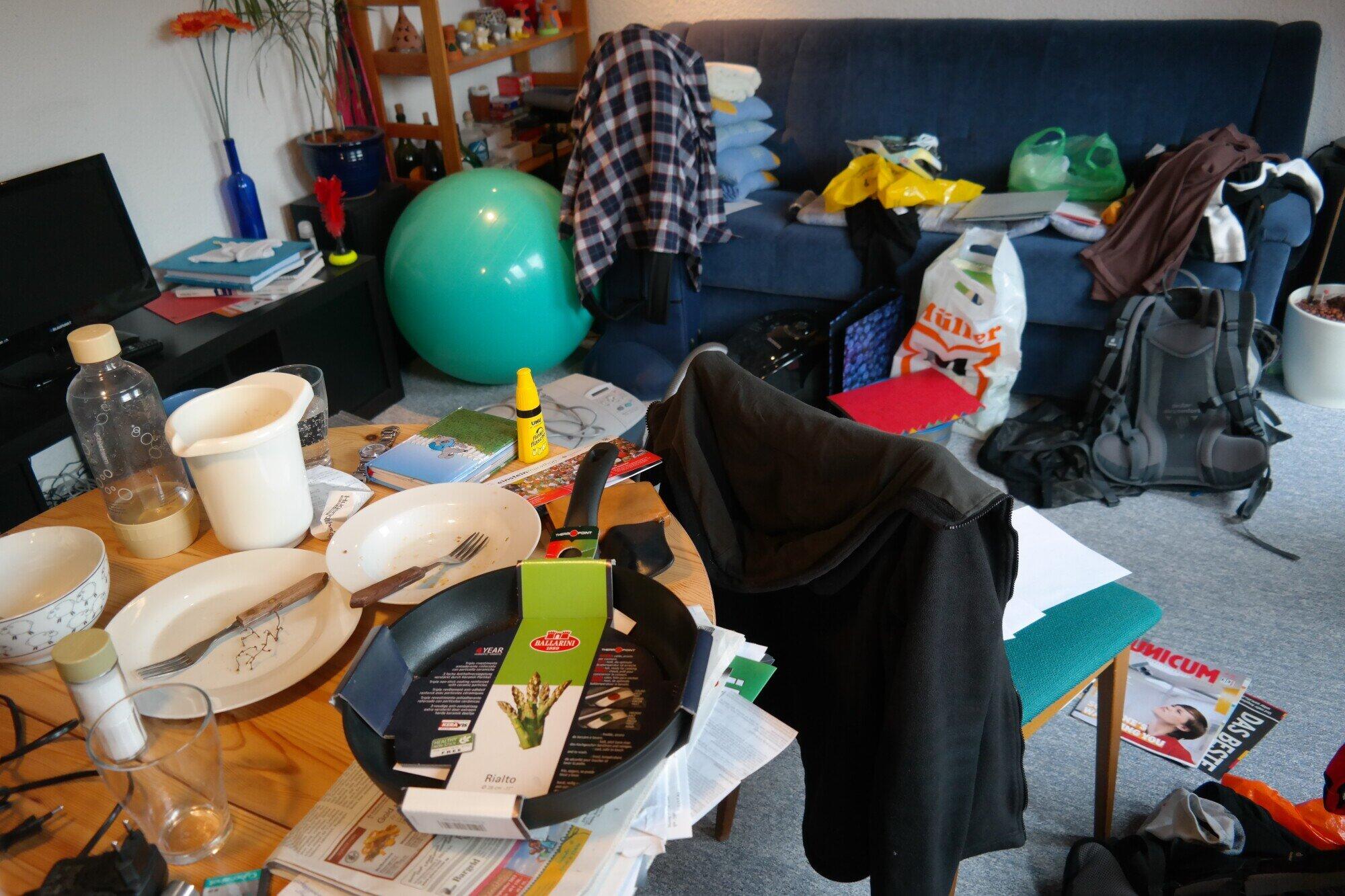
Hoarding disorder is a mental health condition where persistent difficulty discarding items leads to overwhelming clutter, unsafe living conditions, and emotional distress. It is driven by a mix of anxiety, attachment to possessions, and decision-making challenges, though it can be treated through targeted therapy and gradual behavior change.
A hallway narrows to a single path, unopened mail stacks into towers, and everyday items start to feel impossible to part with. What looks like clutter on the surface is often tied to deeper patterns of fear, loss, and control that build over time.
Hoarding disorder affects roughly 2% of Americans and rises to about 6% among people older than 70, making it more common than many realize. Recognizing what drives it is often the turning point toward restoring space and a sense of control at home.
What Causes Hoarding Disorder?
Emotional attachment is one of the strongest drivers of mental health and hoarding. Items often carry meaning tied to identity, memory, or security. Something as simple as an old receipt or broken object can feel important because it represents a sense of control.
Cognitive challenges also play a role. Many people with a hoarding disorder struggle with:
- Decision-making
- Organization
- Prioritization
- Attention and focus
- Memory and categorization
- Processing information efficiently
Sorting through items can quickly become overwhelming, which leads to avoidance. Over time, that avoidance allows clutter to build and reinforces the impact of hoarding disorder.
Life events often act as triggers. Some experiences can increase the urge to hold onto things. These include:
- Grief
- Financial hardship
- Major transitions
- Periods of instability
In these moments, possessions may offer comfort or a sense of preparedness for the future.
Family and learned behavior can influence it as well. Growing up in an environment where saving everything was common can normalize those habits.
How To Fix Hoarding Disorder?
Cognitive behavioral therapy is the most widely used of the hoarding disorder treatment options. It helps people:
- Understand why they hold onto items
- Challenge beliefs about needing to save things
- Build practical skills for sorting and decision-making
- Develop organization and categorization systems
- Practice gradual exposure to letting items go
Large, rushed cleanouts rarely last because they do not address the underlying behavior. A slower approach, focused on one area at a time, allows people to build confidence and reduce anxiety tied to letting things go.
Involving family members or trained professionals creates accountability and reduces isolation. Encouragement from others can help maintain momentum when progress feels slow.
In some cases, medication may be recommended, especially if anxiety or depression is also present. Treatment plans vary, though they are most effective when guided by a qualified mental health professional.
What Are the Biggest Mistakes People Make When Trying To Help Someone Who Hoards?
One of the most common mistakes is forcing a cleanout. Removing items without consent may seem like a quick solution, though it often creates distress and breaks trust. The person may respond by shutting down or quickly rebuilding the clutter afterward.
Another misstep is focusing only on the mess. Hoarding disorder is not just about clutter, so treating it like a simple cleaning problem misses the root cause. Without addressing the emotional attachment and decision-making challenges behind the behavior, any progress tends to be temporary.
Using judgmental language can also backfire when supporting hoarding disorder patients. Words that imply laziness or irresponsibility can deepen shame and make someone less likely to accept help. A supportive tone is far more effective.
While it may feel helpful to organize or discard items on someone’s behalf, it removes their sense of control. Recovery depends on the individual learning how to make decisions about their belongings, even if that process is slow.
Hoarding Disorder Prevention
Early awareness and understanding of hoarding behavior, along with consistent routines, can reduce the risk of behaviors becoming severe over time.
One of the most effective strategies is managing what comes into the home. Creating simple rules around new items, such as deciding their purpose immediately or limiting impulse purchases, helps prevent unnecessary accumulation.
Building decision-making skills also matters. Difficulty choosing what to keep or discard is a common challenge, so practicing small, low-pressure decisions can strengthen confidence.
Sorting the following keeps this skill active and prevents overwhelm:
- Clothing
- Everyday items
- Paperwork and documents
- Duplicates
Keeping living spaces functional and easy to maintain encourages regular upkeep. When surfaces stay clear and storage is manageable, it becomes easier to notice when clutter starts to return.
Support should not be overlooked. Open conversations with family or trusted individuals can create accountability and reduce stigma. In some cases, early guidance from a mental health professional can help address habits before they escalate.
Frequently Asked Questions
Who Is the Most Famous Hoarder?
One of the most well-known cases is the story of the Collyer brothers, Homer Collyer and Langley Collyer. In the 1940s, their Harlem home became so filled with clutter that it drew widespread media attention after both men were found inside under extreme conditions.
What Is a Nicer Word for a Hoarder?
Softer, everyday terms like “saver,” “collector,” or even “pack rat” are often used in casual conversation.
That said, these words can downplay the seriousness of the hoarding disorder. In more sensitive or accurate contexts, it is usually better to say “a person who struggles with hoarding” to keep the tone respectful and clear.
How Can Someone Prevent Hoarding Behaviors From Returning After Treatment?
Stay consistent with simple habits after getting everything in order with help from experts like Bio1. Sort items as they come in, keep daily spaces clear, and set regular times to review what you own before clutter builds again.
Keep support in place. Check-ins with a therapist, group, or trusted person help catch small slip-ups early and keep progress on track.
Watch for triggers. Stress or big life changes can bring old habits back. Having a plan, like using coping tools or asking for help, makes it easier to stay in control.
Focus on steady routines instead of big cleanouts. Small actions done regularly are what keep spaces manageable long-term.
Treat Hoarding Disorder Today
Hoarding disorder can be stressful for the sufferer and their family. With this guide, you should be on the path to healing.
Do you want more help improving life for your loved ones? Make sure you explore some of our other useful posts.