





A last-minute attempt by Indiana legislators to redefine wetlands and strip state protections via amendment to an unrelated sewage bill could exacerbate flooding issues, reduce the number of wetlands, and flies in the face of recommendations in a state-commissioned wetlands report, critics say.
The bill passed the Indiana House 62-31 last week and heads back to the Senate for approval.
Rep. Doug Miller, R-Elkhart, who introduced the amendment that removes state regulations from wetland acreage to the bill, is a real estate broker and member of the Indiana Builders Association. There was no public comment during the committee hearing in which the amendment was passed. All Democratic amendments to mitigate the changes in the amendment were defeated.
Larry Clemens, state director of The Nature Conservancy in Indiana, said in a statement that the only group to support the amendment to Senate Bill 414, which was aimed at regulating septic systems, was the Indiana Homebuilders Association, the same group behind the attempt to remove all state regulation of wetlands in 2021. Changes were made to the bill after public outcry and the threat of a veto by Gov. Eric Holcomb.
While that bill removed about half of the 800,000 acres of wetlands from state regulation, it also included a non-partisan task force of experts appointed by the governor.
The task force committee was made up of a compilation of stakeholders including a representative from the Indiana Builders Association. The report makes a point to note the IBA representative did not attend a single meeting or contribute to the report.
“Not a single word on the 25-page report suggests reducing the acreage of regulated wetlands,” Clemens said. “The Wetlands Task Force took its job seriously. It’s past time for the General Assembly to do the same and stop pushing legislation that will destroy wetlands and harm Hoosiers across Indiana.”
A representative from the IBA was not available for comment Friday.
The task force, comprised of experts from around the state, spent nearly a year studying the issue and last fall issued a 25-page report including 10 recommendations for the General Assembly.
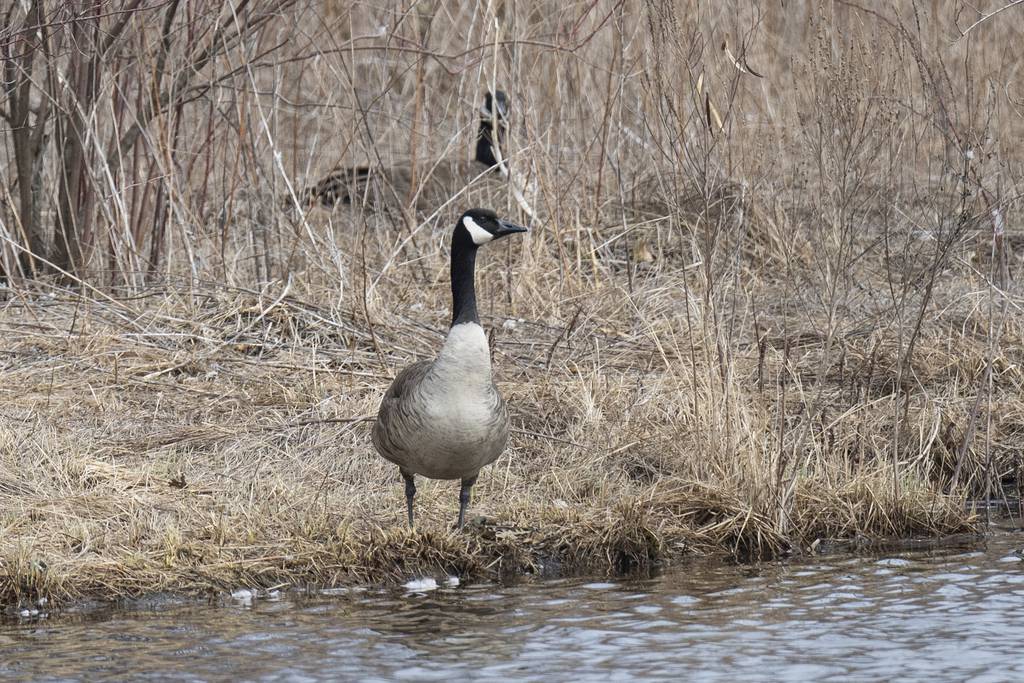
Walt Breitinger, president of the Valparaiso Chain of Lakes Watershed group, said the vast majority of the wetlands throughout the state already have been lost. Weakening protections will only serve to exacerbate the loss, he said.
“What we have left has become even more critical or desperately needed,” Breitinger said.
The most important function of wetlands that most voters can relate to is their role in reducing flooding, Breitinger said. If people don’t want to see their homes, fields and roadways flood, the water has to have some place to go, he said, and that is where wetlands come in.
Wetlands also function to filter storm water which often is heavily polluted by contaminants such as salt, gasoline, oil, antifreeze, fertilizer and pesticides among other contaminants, Breitinger said. That water makes its way to underground aquifers supplying well water to individual homes and entire communities such as Lowell, he said.
“Wetlands help clean and filter ground water and provide fantastic habitat for wildlife, fish and birds,” Breitinger said.
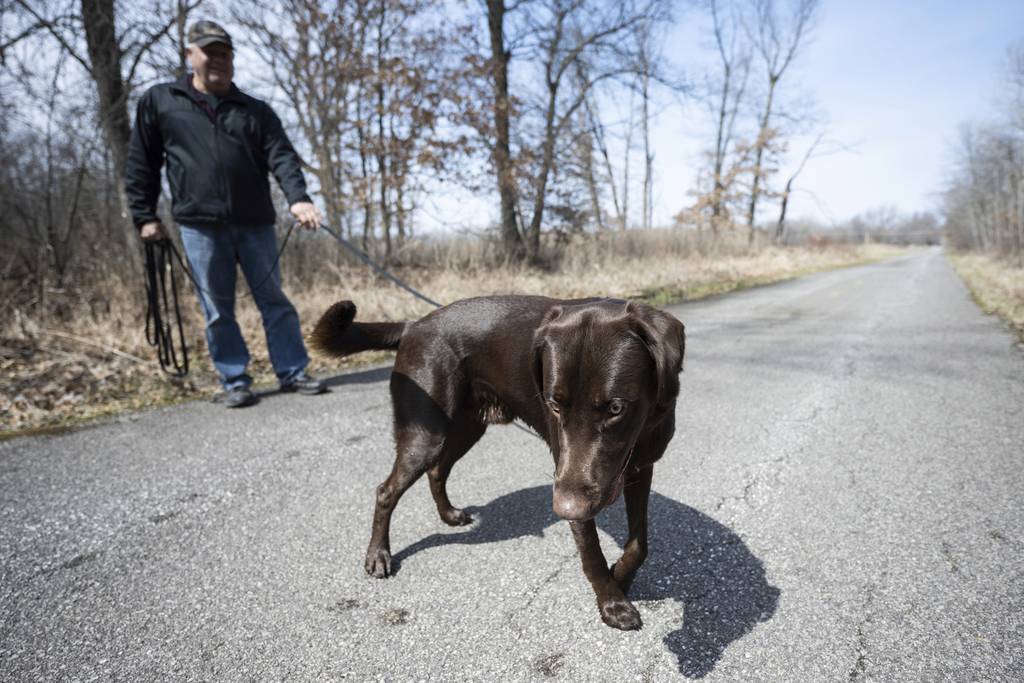
The current bill initially was popular until the unrelated amendment targeting wetlands was added at the last minute without debate or public input.
“The bottom line is it will damage wetland protection,” Brietinger said.
He urged residents who understand that wetlands need protection to contact their elected officials encourage them to vote against the measure.
Lake County’s Surveyor Bill Emerson agreed that if passed the legislation would further restrict what could be classified as a more protected wetland.
“I’m definitely not in support,” Emerson said.
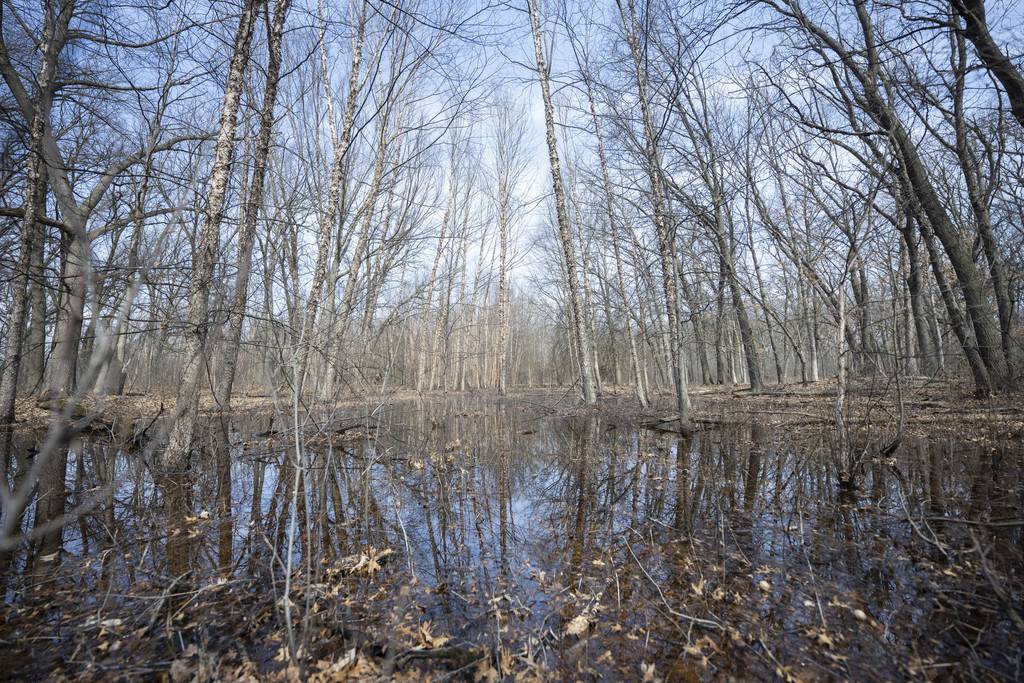
Currently when developers are interested in land, they have the option of mitigating a wetland if they must fill it in, meaning they must replace to water storage lost by the removed wetland, Emerson said. This legislation would end that protection for certain isolated wetlands.
As an engineer, he said often people do not understand the role these isolated wetlands play in the interconnectivity of drainage throughout the region. Emerson also is frustrated that the recommendations of the Wetlands Task Force to protect the state’s existing wetlands are being ignored.
“The recommendations to protect the existing wetlands are so important for water quality and flood control,” Emerson said.
“Wetlands are so important to our ecosystem and water quality. They are also important for flood control. Even isolated wetlands throughout the watershed hold back water,” Emerson said. “I don’t want to see the state protections continue to be eroded. I think that could happen if these wetland protections continue to be lessened.”
As weather patterns change and more intense storms become more frequent, removing water storage is not a good idea, he said.
“Once they are gone, geez, they’re gone. It’s hard to mitigate and build new ones and it’s expensive,” Emerson said.
Jim Sweeney, president of the Izaak Walton League of Porter County, said there will be some kind of impact right away if the bill is signed into law.
“My bet is there are people who have plans already for a piece of property they are sitting on. Once the bill gets passed and the governor signs it, it will either get filled in or drained depending on the need,” Sweeney said.
Sweeney said he is very disappointed legislators seem to be ignoring the recommendations of Indiana Wetlands Task Force and its report.
“It’s very frustrating,” he said, adding he thought that with the Wetlands Task Force report there would be some benefits.
According to that report, to have a measurable impact on flooding in Indiana, isolated wetlands should continue to be regulated at the state level with effective and efficient mitigation.
Flood risk can be reduced by storing runoff and reducing peak flows in isolated wetlands before reaching downstream cities. An investment by the state in non-regulatory incentive will be required to accomplish wetland construction and restoration at a scale that will have a measurable impact on flooding and the quality of life, the Task Force report continued.
Sweeney said part of the reason these battles exist every session is so few members of the public are getting involved. He encouraged anybody interested in water quality, fish and wildlife, and smart development to get involved and talk to their elected officials.
A lot of people think the Department of Natural Resources and Indiana Department of Environmental Management have addressed all the concerns regarding wetlands but that is not the case, he said. The agencies get beat up every year in the General Assembly because they are part of the regulators, Sweeney said.
“Locally, in some instances, the state has been drained so effectively, we’ve lost 85% of the wetlands. Flooding is common. Will a new definition for isolated wetlands have a big impact on that? In some areas it will make a difference,” Sweeney said.
The impact may be felt less in the hillier regions of the state, he added.
“I wish the people that run for office knew more about natural resources. Quality of life includes a handful of different metrics and access to open space, clean air, clean water and land for recreation are all part of it. The State of Indiana is probably in the bottom 10 percent of the states in every one of those categories,” he said.
Lake County Councilman Rick Niemeyer, R-Lowell, has a district with many wetland areas. Nearby Cedar Lake is a catch basin and the entire region from the town south was at one time part of the Grand Kankakee Marsh before areas were filled.
“I don’t think wetlands should be filled in,” Niemeyer said.
However, officials need to be really careful in defining what qualifies as a wetland, he continued. Federal regulations define what is essentially a puddle in a backyard as a wetland and that is a concern for property owners, he said.
“The trick is creating clarity of definition. When you can achieve that, you can come up with good legislation,” Niemeyer said.
Craig Zandstra, superintendent of planning and resource development for the Lake County Parks Department, said as the park system looks to add to its green space, he fears the legislation will drive up the cost of land.
“A lot of times we buy properties with wetlands,” Zandstra said.
The system’s parks hold a lot of water helping with drainage throughout the county, but he said the less wetlands there are, the more pressure it places on the remaining wetland areas in times of heavy rain.
If the bill becomes law, developers no longer would have to work around existing isolated wetland areas or provide mitigation, thus making land once difficult or impossible viable for redevelopment, Zandstra said. As it stands right now, Lake County falls behind other neighboring county park systems such as Porter and Newton counties and Cook and Will counties Illinois, he said.
“As far as we are concerned with the county parks, it definitely would not make our life any easier,” Zandstra said.
State Sen. Dan Dernulc, R-Highland, said he supported the bill in its first iteration as it was passed out of the Senate and was unaware of the amendment that added the changes to the wetland classifications.
He said the bill as originally presented is a tool in the toolbox for homeowners who find themselves in a situation where their septic system is failing.
The freshman legislator was unaware of the study commissioned in 2021 and said he would have to look into the amendment and its impact before the measure returns to the Senate for consideration in its current form.
“I want to see that amendment. Now it’s on my radar,” Dernulc said.


